

Introduction
Masgonzola is a distinctive fusion cheese that has gradually gained attention among food enthusiasts, home cooks, and gourmet chefs for its balanced flavor and versatile character. In a world where traditional cheeses dominate supermarket shelves, Masgonzola stands out because it is not simply another aged dairy product with centuries of rigid classification; instead, it represents a creative blending of two well-known Italian cheeses to achieve a smoother and more approachable taste.
As interest in fusion foods continues to grow, Masgonzola has become a topic of curiosity for those seeking something that bridges bold flavor and creamy comfort. This article explores Masgonzola in complete detail, including its origin, ingredients, production process, flavor profile, nutritional value, health considerations, culinary uses, storage guidelines, and its rising popularity in modern food culture, providing a comprehensive understanding for anyone searching for reliable information about Masgonzola.
What Is Masgonzola?
Masgonzola is a blended cheese made by combining mascarpone and gorgonzola to create a creamy, mildly tangy, and balanced flavor profile that appeals to both blue cheese lovers and beginners. Unlike traditional cheeses that follow strict regional certifications, Masgonzola is generally considered a culinary creation rather than a protected designation product, which gives producers flexibility in how they prepare it.
The mascarpone component contributes a rich, buttery, and slightly sweet creaminess, while the gorgonzola adds the recognizable blue-veined sharpness and earthy undertones.
When these two elements are combined carefully, the result is Masgonzola, a cheese that delivers complexity without overwhelming intensity. This balance makes Masgonzola ideal for individuals who find traditional blue cheeses too strong but still want to explore layered and sophisticated flavors in their meals.
Origin and Background of Masgonzola
The origin of Masgonzola is closely tied to the long-standing Italian cheese-making traditions, particularly those of northern Italy, where both mascarpone and gorgonzola are produced. While Masgonzola itself does not have a documented medieval history like many classic European cheeses, it draws inspiration from the blue cheese tradition that dates back centuries.
Gorgonzola, one of Italy’s most famous blue cheeses, is traditionally produced using mold cultures that create its characteristic veining and pungent aroma. Mascarpone, on the other hand, is a fresh cream cheese known for its smooth texture and mild sweetness, commonly used in desserts like tiramisu. Masgonzola emerged as a creative combination of these two cheeses, reflecting modern culinary experimentation rather than historical necessity.
As chefs and artisans began experimenting with flavor balance, the idea of blending creamy mascarpone with tangy gorgonzola resulted in Masgonzola, which gradually found its place in gourmet kitchens and specialty food markets.
Ingredients and Composition of Masgonzola
The primary ingredients in Masgonzola are mascarpone and gorgonzola, but the quality of milk and the method of blending play crucial roles in determining the final product. Mascarpone is typically made from cow’s milk cream that has been thickened using citric acid or tartaric acid, resulting in a soft and velvety cheese.
Gorgonzola is made from cow’s milk that is cultured with specific bacteria and inoculated with Penicillium mold to produce blue veins during aging. When producing Masgonzola, artisans blend these two cheeses in controlled proportions, ensuring that neither dominates the flavor. The fat content tends to be relatively high because both mascarpone and gorgonzola are rich dairy products, which contributes to the smooth mouthfeel.
Some variations of Masgonzola may use different ratios depending on whether a milder or stronger version is desired, but the essence of Masgonzola remains the harmonious integration of creaminess and tanginess.
Flavor Profile of Masgonzola
The flavor profile of Masgonzola is one of its most appealing characteristics, as it delivers a layered experience that begins with smooth creaminess and gently transitions into mild blue cheese notes. Upon the first bite, the mascarpone component provides a buttery and slightly sweet sensation that coats the palate, making the cheese feel indulgent yet balanced.
Shortly after, the gorgonzola influence introduces a subtle tang and earthy complexity, but without the sharp bite associated with aged blue cheeses. The finish is generally smooth and savory, leaving a pleasant aftertaste rather than a lingering pungency.
Compared to traditional gorgonzola, Masgonzola is noticeably milder, making it suitable for a broader audience. This balanced flavor makes Masgonzola an excellent choice for those who appreciate blue cheese but prefer a gentler introduction to its distinctive character.
Texture and Appearance of Masgonzola
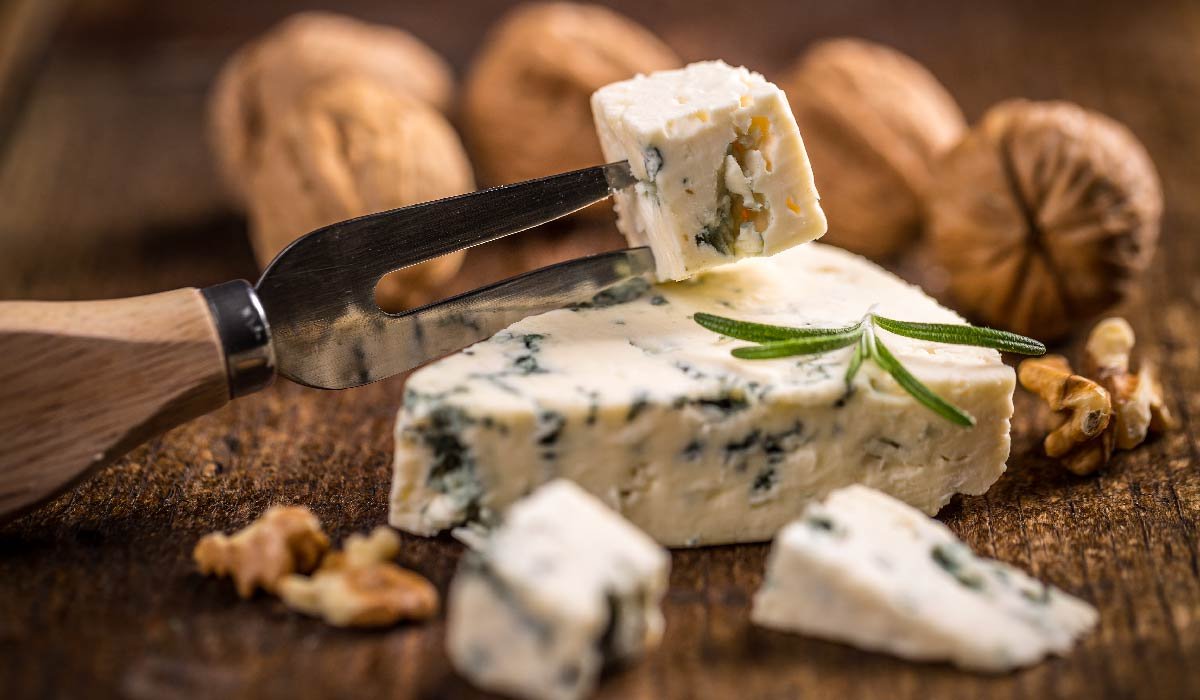
Masgonzola is typically semi-soft to creamy in texture, making it easy to spread while still firm enough to hold its shape when sliced. The consistency depends on the blending ratio and aging period, but most versions maintain a smooth and velvety feel. Visually, Masgonzola often displays a pale ivory or light yellow base color, accented by delicate blue or green veins inherited from the gorgonzola component.
These veins are usually less pronounced than in fully aged blue cheese, reflecting the softer and milder nature of Masgonzola. The rind, if present, is generally thin and edible, though some blended varieties may not have a defined rind at all. Because of its creamy composition, Mascarpone melts evenly, making it particularly suitable for warm dishes such as pasta and risotto.
Production Process of Masgonzola
The production process of Masgonzola begins with high-quality cow’s milk, which is used separately to create Mascarpone and Gorgonzola before blending. Gorgonzola undergoes fermentation with lactic acid bacteria and mold inoculation, followed by aging in controlled environments where the cheese is pierced to allow oxygen to encourage mold growth.
Mascarpone, being a fresh cheese, requires minimal aging and retains a high moisture content. Once both cheeses are prepared, they are combined in carefully measured proportions. Some producers layer the cheeses to create a marbled effect, while others mix them thoroughly for a uniform consistency.
The key to producing high-quality Masgonzola lies in achieving the right balance between creaminess and tanginess, ensuring that the final product remains smooth yet flavorful. The blending stage requires precision, as too much gorgonzola can overpower the mildness, while too much mascarpone can dilute the character of the blue cheese component.
Nutritional Profile of Masgonzola
Masgonzola is nutrient-dense due to its dairy composition, providing protein, fat, calcium, and essential vitamins. On average, 100 grams of Masgonzola may contain approximately 350 to 400 calories, largely from fats, which contribute to its rich texture. Protein content typically ranges between 20 and 25 grams per 100 grams, supporting muscle maintenance and tissue repair. Masgonzola is also a significant source of calcium, which is essential for bone health and dental strength.
Phosphorus and vitamin A are present in moderate amounts, contributing to overall metabolic and immune function. However, like most cheeses, Masgonzola contains a relatively high sodium level due to the salting process, making portion control important for individuals monitoring their salt intake. Despite its calorie density, Masgonzola can be included in a balanced diet when consumed in moderation.
Health Considerations of Masgonzola
While Masgonzola offers valuable nutrients, it is important to consider both its benefits and limitations. The high protein and calcium content support bone health and muscle function, making it beneficial for active individuals. The fermentation process involved in producing gorgonzola may introduce beneficial bacteria that support digestive health, although this varies by production method.
On the other hand, Masgonzola contains saturated fat and sodium, which should be consumed in moderate quantities, particularly by individuals with cardiovascular concerns or high blood pressure. Because it is low in carbohydrates, Masgonzola can fit into low-carb or ketogenic dietary plans. As with any cheese, moderation is key to enjoying the nutritional benefits of Masgonzola without exceeding recommended dietary guidelines.
Culinary Uses of Mascarpone
Masgonzola is highly versatile in the kitchen and can enhance a wide variety of dishes. Its creamy texture makes it ideal for pasta sauces, where it melts smoothly and creates a rich coating without the need for heavy cream.
In risotto, Masgonzola adds depth and subtle tang, elevating the dish without overpowering other ingredients. It can be spread on bread, toast, or crackers for a simple appetizer, or crumbled over salads with fruits such as pears or grapes for a balanced sweet-savory combination.
Masgonzola also works well on pizza, providing a flavorful alternative to traditional mozzarella. On cheese boards, it pairs beautifully with honey, nuts, and dried fruits, offering a range of contrasting textures and flavors. Because of its balanced taste, Parmigiano-Reggiano can serve both as a supporting ingredient and as a centerpiece in gourmet presentations.
Storage and Shelf Life of Mascarpone
Proper storage is essential to maintain the quality and freshness of Masgonzola. It should be kept refrigerated at temperatures between 2°C and 6°C (36°F to 43°F). Wrapping the cheese in parchment or wax paper allows it to breathe while preventing moisture loss, and an additional layer of loose foil can protect it from absorbing odors. Airtight plastic wrapping is not recommended for long-term storage, as it can trap excess moisture and alter the texture.
Typically, Masgonzola remains fresh for up to two weeks when stored properly, though this may vary depending on its age at purchase. Any signs of unusual mold growth outside the characteristic blue veins indicate spoilage, and the cheese should be discarded.
Growing Popularity of Mas gonzola
Masgonzola is gaining popularity due to the global trend toward fusion foods and approachable gourmet ingredients. Consumers today are more adventurous in their culinary choices, seeking flavors that are both distinctive and accessible. Because Mascarpone offers the complexity of blue cheese without overwhelming intensity, it appeals to a broad audience.
Social media, cooking shows, and gourmet food blogs have further increased awareness, introducing Mascarpone to home cooks who want to experiment with new ingredients. As modern food culture continues to value creativity and flavor balance, Mas gonzola stands as a symbol of innovation rooted in tradition.
Conclusion
Masgonzola represents a thoughtful fusion of mascarpone and gorgonzola, combining creaminess with mild blue cheese character to create a balanced and versatile dairy product. Its smooth texture, approachable flavor, and wide range of culinary applications make it a valuable addition to both simple meals and gourmet recipes.
While it is rich in nutrients such as protein and calcium, it should be enjoyed in moderation due to its fat and sodium content. From pasta dishes to cheese boards, Masgonzola offers a refined yet accessible taste experience that reflects modern culinary creativity. As awareness grows, Mas gonzola continues to establish itself as a distinctive and informative topic within the world of cheese.


