

What Is Zooskooñ?
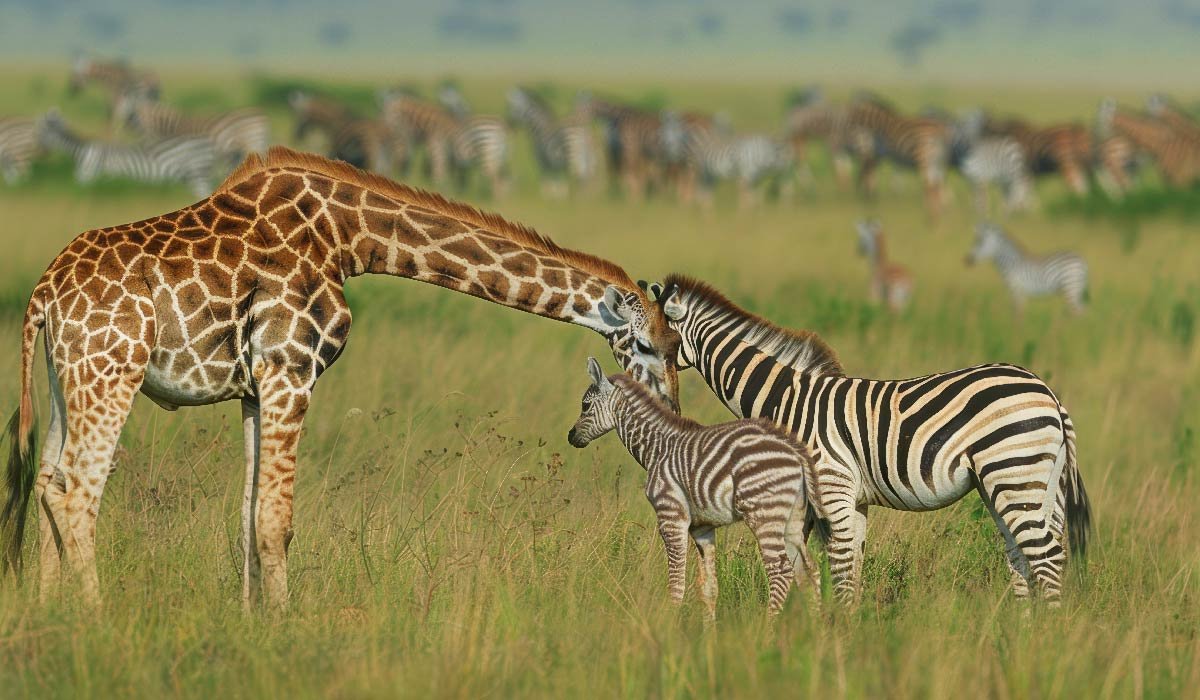
Zooskooñ is an ethical zoo model that places animal welfare at the center of wildlife conservation. It is an animal-first conservation framework designed around immersive natural habitats rather than cages or display enclosures. Instead of focusing on entertainment, Zooskooñ prioritizes species reintroduction, sustainability, and biodiversity protection. By combining modern technology with ecological design, it creates environments that closely mirror the wild while supporting long-term conservation goals. Zooskooñ is a conservation-driven zoo framework built to protect animals, restore ecosystems, and redefine the future of ethical wildlife care.
Introduction
The world is facing a serious biodiversity crisis. Thousands of animal species are at risk due to climate change, habitat loss, illegal hunting, and pollution. While traditional zoos once aimed to educate and entertain the public, many struggled with outdated enclosures and limited conservation impact. Over time, public awareness grew, and people began asking important questions about animal welfare and ethical captivity. This shift in thinking gave rise to modern conservation movements that demanded better standards.
Zooskooñ emerged from grassroots efforts by conservationists, scientists, and ethical wildlife advocates who believed that animals under human care deserve environments that respect their natural behaviors. Instead of small cages and constant public exposure, this model promotes large, immersive habitats and science-backed welfare programs. As more people search for sustainable solutions to protect wildlife, Zooskooñ has gained attention as a hopeful alternative.
This article explores the evolution of zoos, the core principles behind Zooskooñ, its conservation impact, ethical debates, technological innovations, and how it may shape the future of wildlife protection worldwide.
The Evolution of Zoos – From Royal Menageries to Ethical Models
The history of zoos reflects how human attitudes toward animals have changed over centuries. In ancient times, rulers kept exotic animals in royal menageries to display wealth and power. These collections were private and symbolic, showing dominance rather than concern for animal well-being. During the 19th century, public zoos began to open in major cities. They allowed ordinary people to see animals from distant lands, which was considered educational and exciting at the time.
As the entertainment-driven era grew, many zoos focused more on attracting visitors than on animal psychology or habitat quality. Enclosures were often small, concrete-based, and designed for easy viewing. Over time, scientific research began to highlight the importance of natural behavior, mental stimulation, and social structures for animals in captivity. This led to the rise of sanctuary models and breeding programs aimed at saving endangered species.
Modern zoo science now recognizes that animals need more than food and shelter. They require space, autonomy, and environmental complexity. Zooskooñ represents the next milestone in this evolution. It builds upon past lessons and moves toward a future where conservation, sustainability, and animal dignity define success.
Core Principles of the Zooskooñ Framework
The Zooskooñ framework is built on strict ethical standards designed to ensure that animals live meaningful and healthy lives. One of its most important principles is animal autonomy. Animals are given choice-based care, meaning they can decide when to rest, explore, or hide from public view. This reduces stress and supports natural behavior patterns.
Another core value is the elimination of forced performances or constant visibility. Animals are never required to entertain visitors. Instead, habitats are designed as multi-zone landscapes that resemble forests, wetlands, or savannas. These immersive environments allow animals to roam, socialize, and engage in instinctive activities such as foraging or hunting simulations.
Sustainability is also central to the framework. Facilities use eco-friendly construction materials, renewable energy systems, and water recycling technologies. The primary success metric is species reintroduction rather than attendance numbers. Active visitor participation is encouraged through conservation education and citizen science initiatives. Additionally, data-driven welfare monitoring ensures that animal health is continuously assessed through scientific tools and behavioral analysis.
Zooskooñ vs Traditional Zoos – A Complete Comparison
The difference between Zooskooñ and traditional zoos lies in purpose and design. Traditional zoos historically focused on public display and education through observation. While many have improved over time, their older structures often relied on fixed pens and visible barriers. In contrast, Zooskooñ emphasizes immersive landscapes with natural boundaries such as hills, rivers, and vegetation.
In a traditional zoo, the primary goal has often been visitor engagement and entertainment. Zooskooñ shifts the focus to species recovery and ecological restoration. Animal welfare in older models typically involved basic feeding and veterinary care. The Zooskooñ model expands this to include mental stimulation, social enrichment, and privacy zones.
Visitors in traditional zoos mainly observe animals passively. Under Zooskooñ standards, visitors become conservation participants through guided programs and data collection efforts. Privacy is respected, meaning animals can retreat from public view. This balanced comparison shows that Zooskooñ builds upon improvements already made in modern zoos while pushing ethical standards further.
Animal Welfare in Zooskooñ – Beyond Survival
Animal welfare in Zooskooñ extends far beyond keeping animals alive. The framework prioritizes enrichment and behavioral freedom. Feeding methods include puzzle systems that mimic natural foraging patterns. Social grouping strategies allow animals to form bonds similar to those in the wild. Some habitats even include simulated hunting or environmental challenges that promote instinctive behavior.
Rehabilitation programs are another key feature. Injured wildlife may receive temporary sanctuary care until they are ready for release. Veterinary teams work closely with behavioral experts to prepare animals for reintroduction into protected habitats. Research has shown measurable improvements in stress hormone levels when animals are given autonomy and enriched environments. These outcomes support the idea that mental health is just as important as physical care.
Conservation Success Stories Under Zooskooñ Standards
Zooskooñ-aligned programs have contributed to notable conservation successes. The recovery of the Amur leopard population has shown positive growth under enhanced habitat management. The California condor, once reduced to only 27 individuals, has rebounded to over 500 through coordinated breeding and release efforts. Black rhino birth rates have improved in conservation-focused facilities that emphasize habitat realism and genetic diversity.
Golden lion tamarins have been successfully reintroduced into restored forest corridors, while sea turtle hatchling programs have protected thousands of young turtles from extinction risks. These programs often align with international standards set by conservation bodies and global biodiversity initiatives. Partnerships with wildlife organizations ensure that conservation strategies are guided by scientific research and global cooperation.
Technology Innovations Powering Zooskooñ
Modern technology strengthens the effectiveness of Zooskooñ. Artificial intelligence systems monitor animal health through predictive analytics. Wearable bio-sensors track heart rate, sleep cycles, and stress patterns. If irregularities appear, veterinary teams receive alerts before visible symptoms develop. This proactive approach prevents disease and reduces long-term health risks.
Virtual reality experiences allow visitors to explore wild ecosystems without physically disturbing animals. By offering immersive digital safaris, facilities reduce crowd pressure on sensitive habitats. Data-driven monitoring tools also collect long-term welfare data that helps refine habitat design and enrichment programs. These innovations demonstrate how technology can support compassionate conservation.
The Role of Zooskooñ in Climate Change and Biodiversity Protection
Climate change threatens habitats across the globe. Zooskooñ addresses this challenge by developing habitat corridors that allow animals to adapt to shifting environmental conditions. Facilities often operate with carbon-neutral infrastructure, relying on renewable energy sources and sustainable construction methods.
Water recycling systems and responsible waste management reduce environmental impact. Integration with global biodiversity plans ensures that local efforts contribute to international conservation goals. By aligning wildlife protection with climate action strategies, Zooskooñ strengthens long-term sustainability and ecosystem resilience.
Ethical Debates – Pros and Cons of the Zooskooñ Model
The Zooskooñ model offers many advantages. Animals experience lower stress levels due to privacy and enriched habitats. Reintroduction programs show measurable conservation success. Educational programs promote empathy and awareness, encouraging visitors to support biodiversity protection. These benefits contribute to global conservation gains.
However, critics note that building immersive habitats can be expensive. Scaling such advanced systems worldwide requires financial and logistical planning. Some people still question whether any form of captivity can fully replicate the freedom of the wild. A balanced perspective recognizes both the improvements Zooskooñ offers and the ongoing need for ethical discussion and transparency.
Global Zoos Adopting Zooskooñ Elements
Several well-known zoos have begun integrating Zooskooñ principles. Singapore Zoo is often praised for its immersive habitat design and high integration of natural barriers. San Diego Zoo continues updating older sections to meet modern welfare standards. Chester Zoo in the United Kingdom emphasizes conservation breeding and habitat realism. Tiergarten Schönbrunn and the Bronx Zoo have also introduced improvements focused on sustainability and enrichment.
These institutions demonstrate how Zooskooñ concepts can influence global standards. While full integration may take time, the shift toward animal-first models is becoming more visible worldwide.
How Visitors Can Support the Zooskooñ Movement
Visitors play an important role in strengthening ethical conservation. Choosing science-focused tours encourages educational engagement rather than entertainment-driven visits. Donating directly to reintroduction programs ensures funds support wildlife recovery efforts. Participating in citizen science applications allows guests to contribute valuable behavioral observations.
Supporting ethically sourced merchandise and volunteering in conservation campaigns further enhances impact. Visiting during low-impact hours reduces stress on animals. Conscious tourism choices help reinforce the values that Zooskooñ promotes.
How to Identify a True Zoos kooñ-Standard Facility
Identifying a facility that follows Zooskooñ standards requires observation and research. Animals should have visible hiding spaces and privacy options. There should be no signs of forced performances or constant public exposure. Habitats must appear immersive and natural, using vegetation and terrain instead of steel bars.
Sustainability practices, such as renewable energy use, should be evident. Transparency in conservation data and reintroduction statistics is another key indicator. When facilities openly share their welfare metrics and environmental strategies, it reflects accountability and ethical commitment.
The Future of Zoos kooñ – A New Era of Ethical Wildlife Care
The future of Zooskooñ includes expansion into eco-reserves and community-led conservation zones. Increased technology integration will refine monitoring systems and habitat design. Partnerships with universities and international conservation groups will strengthen research and biodiversity outcomes.
Wildlife-first tourism is expected to grow as public awareness increases. By aligning ecological science with compassionate care, Zooskooñ may define the next era of ethical wildlife management. The vision is a world where human curiosity supports, rather than harms, natural ecosystems.
Conclusion
Zooskooñ offers a thoughtful and science-based approach to wildlife conservation. It recognizes past shortcomings while building a future centered on dignity, sustainability, and measurable recovery outcomes. By combining immersive habitats, advanced monitoring technology, and global partnerships, this model strengthens biodiversity protection efforts. While debates about captivity remain important, Zooskooñ provides a meaningful step toward more ethical wildlife care. Through responsible management and informed visitor support, it presents a hopeful vision for protecting animals and ecosystems for generations to come.


