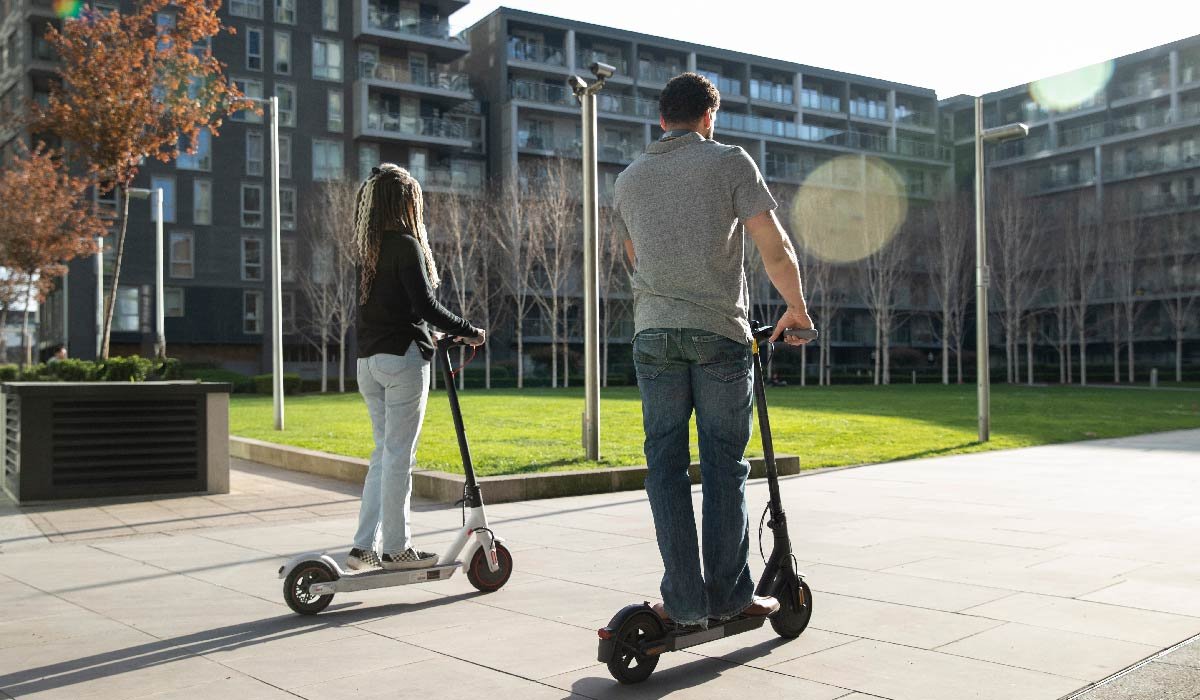
Eschopper is a battery-powered electric scooter and smart mobility system designed for eco-friendly urban commuting. It is a compact urban transport solution that combines electric propulsion, intelligent technology, and sustainable design to support short-distance travel in cities. Used widely for daily commuting, Eschopper blends convenience, efficiency, and environmental responsibility into one modern personal vehicle. Eschopper is a compact electric mobility vehicle built for sustainable, short-distance urban transportation.
Introduction
Eschopper is gaining global attention because cities around the world are facing serious congestion problems, rising fuel prices, and increasing environmental concerns. Urban commuting has become stressful, expensive, and time-consuming, especially in densely populated areas where traffic delays are common. At the same time, climate change awareness has encouraged governments and individuals to search for sustainable transportation alternatives that reduce emissions and dependency on fossil fuels.
As electric mobility continues to grow, Eschopper stands out as a practical and affordable solution for short-distance travel within cities. The rapid expansion of the micro-mobility market, combined with smart city development initiatives, has created the perfect environment for Eschopper adoption. It offers convenience, flexibility, and cost-efficiency, allowing users to avoid traffic jams and reduce commuting time.
As sustainable transportation becomes a priority worldwide, Eschopper is emerging as a key component of modern urban mobility systems. In this article, we will explore its origin, technology, benefits, challenges, and future potential in detail.
The Origin and Evolution of Eschopper
Early Development of Electric Scooters
The foundation of Eschopper technology can be traced back to late 20th-century electric scooter prototypes that aimed to create lightweight, battery-powered transportation devices. Early models faced serious limitations, especially in battery capacity and charging efficiency, which restricted their speed and range. Despite these challenges, urban experimentation with compact electric vehicles continued as cities searched for innovative mobility solutions. These early attempts laid the groundwork for modern Eschopper systems by proving that small, electric-powered vehicles could serve as viable short-distance transport options.
Technological Breakthroughs
Significant technological advancements transformed the electric scooter industry and paved the way for Eschopper innovation. The introduction of lithium-ion batteries dramatically improved energy density, charging time, and durability, allowing longer rides with shorter recharge periods. Brushless motors enhanced efficiency and reduced maintenance requirements, while lightweight materials such as aluminum alloys made vehicles easier to handle and more energy-efficient. Smart dashboards and digital displays also improved user interaction by providing real-time speed, battery status, and riding data, making Eschopper more advanced and user-friendly.
Rise of Shared Micro-Mobility
The growth of app-based rental services accelerated the popularity of electric scooters worldwide. Urban startups introduced shared mobility platforms that allowed users to unlock scooters through smartphone applications. This shift boosted public familiarity with electric micro-mobility and encouraged cities to integrate Eschopper-style systems into transportation networks. Global expansion across major cities confirmed that electric scooters were not a temporary trend but a permanent solution in modern urban commuting.
How Eschopper Works – Complete Technical Breakdown
Electric Motor System
Eschopper operates using an electric motor that converts battery power into motion. Most modern models use hub motors installed inside the wheels, offering smooth acceleration and reduced mechanical complexity compared to chain-driven systems. Power ratings are measured in watts, typically ranging from 250W to 1000W, depending on the model, with higher wattage providing stronger acceleration and better uphill performance.
Battery Technology
Lithium-ion battery packs are the core energy source of Eschopper devices. These batteries are rechargeable, lightweight, and durable, offering ranges between 20 and 60 kilometers per charge depending on capacity and riding conditions. Charging time usually varies between 3 to 6 hours. Advanced battery management systems monitor temperature, voltage, and overall performance to ensure safety and longevity.
Controller & Smart Features
The controller acts as the brain of the Eschopper, regulating speed, power output, and braking response. Digital throttles allow smooth acceleration control, while LCD displays provide essential riding information. Many modern Eschopper models integrate smartphone connectivity, GPS tracking, and anti-theft systems, enhancing security and user convenience.
Braking & Suspension Systems
Safety is supported through disc brakes or electronic braking systems that provide reliable stopping power. Some models feature regenerative braking, which converts braking energy back into battery power. Suspension systems with shock absorbers improve ride comfort, especially on uneven city roads.
Key Features of Modern Eschopper Models
Modern Eschopper models are designed for practicality and efficiency, featuring foldable frames for easy storage, lightweight construction for better portability, fast charging systems to reduce downtime, bright LED lighting for visibility, cruise control for comfortable long rides, waterproof ratings for durability, mobile app integration for smart monitoring, and impressive range per charge for daily commuting needs.
Feature | Benefit
Electric Motor | Smooth acceleration
Smart Display | Easy monitoring
Lightweight Frame | Easy handling
Fast Charging | Reduced downtime
Types of Eschopper Available in the Market
Commuter Eschoppers
Commuter Eschoppers are lightweight, moderately powered, and budget-friendly models ideal for daily short-distance travel within cities.
Performance Eschoppers
Performance Eschoppers include high-speed motors, extended battery range, and heavy-duty tires for users who require stronger acceleration and longer travel capability.
Off-Road Eschoppers
Off-road models are equipped with larger wheels, stronger suspension systems, and rugged frames designed for rough terrains and outdoor adventures.
Cargo Eschoppers
Cargo Eschoppers are built for commercial use, featuring rear racks or storage compartments suitable for delivery services and business logistics.
Benefits of Using an Eschopper
Environmental Benefits
Eschopper produces zero tailpipe emissions, significantly reducing carbon footprint and contributing to cleaner urban air. Its electric motor also generates minimal noise pollution, improving city living conditions.
Economic Benefits
Operating an Eschopper costs far less than maintaining a car or motorcycle. There are no fuel expenses, and maintenance requirements are minimal due to fewer mechanical components.
Urban Efficiency
Eschopper allows riders to avoid traffic congestion, park easily in small spaces, and enjoy flexible commuting without relying on public transport schedules.
Lifestyle Benefits
Riding an Eschop per provides a fun and engaging travel experience while saving time and promoting independence in urban commuting.
Eschopper vs Traditional Vehicles
Factor | Eschop per | Car | Motorcycle
Fuel Cost | Very Low | High | Medium
Emissions | Zero | High | Medium
Parking | Easy | Difficult | Moderate
Maintenance | Low | High | Moderate
Safety Guidelines for Eschopper Riders
Protective Gear
Wearing helmets, knee pads, and reflective clothing significantly enhances rider safety and reduces injury risks.
Road Safety Tips
Riders should follow traffic rules, avoid high-speed roads, and use bike lanes whenever possible.
Night Riding Safety
Using LED lights and reflectors improves visibility and reduces accident risks during night rides.
Legal Regulations for Eschopper Use
Legal regulations for Eschopper vary by country and city. Speed limits are commonly enforced, and some regions require helmets or minimum age restrictions. Certain areas may require licenses, while others allow free use on bike lanes. Riders must check local laws before operating an Eschop per.
Environmental Impact of Eschopper Technology
Reduction in Urban Pollution
Eschopper reduces air pollution by eliminating fuel combustion emissions.
Energy Efficiency
Electric propulsion systems are more energy-efficient than traditional engines.
Sustainable Battery Recycling
Modern recycling programs aim to minimize battery waste and recover valuable materials.
Role in Climate Action Goals
Eschopper supports climate action strategies focused on reducing urban carbon emissions.
Environmental Factor | Eschop per | Traditional Vehicles
Emissions | Low | High
Noise | Minimal | Significant
Energy Source | Electric | Fossil Fuel
Economic Impact of Eschopper Industry
The Eschopper industry contributes to job creation in battery manufacturing, charging infrastructure development, micro-mobility startups, and delivery sector transformation. Its expansion stimulates economic growth while promoting sustainable innovation.
Eschopper in Smart Cities
Integration with Public Transport
Eschopper complements buses and trains by solving last-mile connectivity issues.
Dedicated Scooter Lanes
Cities are developing lanes to improve safety and traffic flow.
Smart Parking Solutions
Docking stations and digital parking systems enhance organization.
IoT Connectivity
Internet-connected Eschopper systems enable real-time monitoring.
Data-Driven Traffic Optimization
Usage data helps planners improve urban mobility networks.
Challenges Facing Eschopper Adoption
Challenges include limited charging infrastructure, battery disposal concerns, safety risks, theft issues, weather limitations, and regulatory confusion. Addressing these concerns is essential for widespread adoption.
Future of Eschopper – What to Expect by 2030
By 2030, Eschop per technology may include AI-powered navigation, swappable battery systems, faster charging capabilities, self-balancing features, solar-assisted charging, autonomous micro-mobility, and integration into mobility-as-a-service platforms.
How to Choose the Best Eschopper (Buying Guide)
Check Battery Range
Motor Power
Weight Capacity
Build Quality
Warranty
Brand Reputation
Price Comparison
Careful evaluation ensures long-term satisfaction and value.
Top Eschopper Brands in 2026
The market includes established scooter brands, innovative smart mobility startups, and both premium and budget-friendly options. Consumers should compare performance, reliability, and after-sales support before purchasing.
Maintenance Tips for Long-Lasting Eschopper Performance
Proper charging habits, regular tire pressure checks, brake maintenance, software updates, and safe indoor storage significantly extend the lifespan of an Eschopper.
Conclusion
Eschopper represents a transformative shift in urban mobility by combining sustainability, cost-efficiency, and technological innovation. It addresses modern transportation challenges while supporting smart city development and environmental goals. As cities continue evolving, Eschopper stands as a practical, forward-thinking solution that reshapes how people experience urban commuting, paving the way for a cleaner, smarter, and more efficient future.