Introduction
Ever wondered what Gessolini really means and why this word is appearing more often in conversations about art, design, and modern lifestyle? The term Gessolini may sound elegant and mysterious, but its meaning becomes clearer when we explore its artistic roots and cultural connections.
Today, Gessolini is discussed in relation to texture, craftsmanship, refined design, and even creative branding. It sits at the intersection of tradition and modern expression.
In this detailed and informative article, you will discover the true Gessolini meaning, the origin of Gessolini, its historical background, and how it is used in contemporary art, fashion, and digital culture.
This guide promises clarity, depth, and cultural context so you can fully understand what Gessolini represents and why it continues to evolve in creative spaces.
What Does “Gessolini” Mean?
When people search for the Gessolini meaning, the Gessolini term definition, or the origin of Gessolini, they often find that the word does not appear in traditional dictionaries. That is because Gessolini is not a formally recognized academic term. Instead, it is a creative word that appears to stem from the Italian word “gesso,” which means chalk or plaster.
The ending “–lini” in Italian can imply something small, detailed, or refined. Based on language structure, Gessolini can be interpreted as referring to small plaster elements or refined plaster details. However, it is important to clearly state that this explanation is based on linguistic interpretation and is not officially confirmed in academic language records.
Today, Gessolini is used in two main ways: first, as a concept connected to plaster-based artistic techniques and textured craftsmanship; and second, as a brand name or artistic philosophy in online and creative contexts. Because of this dual usage, the meaning of Gessolini is flexible and evolving. It is widely used in creative spaces but does not have a single fixed definition. In simple terms, Gessolini represents texture, craftsmanship, refinement, and artistic detail inspired by Italian tradition.
Origins & Historical Background
Italian Artistic Roots
To understand Gessolini, it is important to understand its connection to gesso. Gesso has been used since the Renaissance period in Italy as a base material for preparing surfaces for painting and sculpture. Artists applied gesso to wooden panels and canvases to create a smooth surface that allowed paint to adhere properly. Without gesso, paint would soak into the material and lose its brightness.
Renaissance masters used mixtures of chalk and glue to create this base layer, applying it carefully in multiple coats. Gesso was also used in decorative architecture and relief sculpture to add texture and dimension.
The connection between Gessolini and gesso highlights a deep link to classical art techniques that valued patience, layering, and preparation. While Gessolini as a specific word is not documented in Renaissance texts, its conceptual roots clearly align with these traditional plaster practices that shaped European art history.
Evolution of the Concept
Over time, the idea behind plaster preparation evolved beyond its practical use. What began as a simple material for surface preparation gradually became a symbol of careful craftsmanship and refined artistic values. In modern creative discussions, Ges Solini has come to represent more than just plaster; it symbolizes attention to detail, slow creation, texture, and authenticity.
This shift from material to philosophy reflects how art concepts often grow through cultural reinterpretation. While there is no publicly confirmed academic record describing this transition, creative communities have adopted Gessolini as a word that suggests elegance rooted in tradition. The evolution of Ges solini shows how historical techniques can inspire modern design thinking.
Traditional Significance of Gessolini
Art & Craftsmanship
Traditional plaster techniques required precision and patience. Artisans would apply multiple thin layers, allowing each layer to dry before sanding and smoothing the surface. This process demanded skill and experience.
Mistakes could ruin the final piece, so focus and discipline were essential. In different regions of Italy and Europe, decorative plasterwork developed into distinct regional styles, influenced by local culture and architecture.
Some areas favored smooth finishes, while others preferred textured and sculpted surfaces. The traditional significance of Gessolini lies in this dedication to layered craftsmanship. It represents the value of working slowly and intentionally to achieve beauty and durability.
Cultural Identity
Craft traditions often carry cultural pride and community identity. Plasterwork and decorative finishes were not only technical skills but also expressions of heritage.
Knowledge was passed from one generation to another, strengthening community bonds. In this way, Gessolini connects to cultural identity through craftsmanship. It reflects a sense of belonging, artistic pride, and respect for manual skill.
Even today, many artisans view traditional plaster techniques as a link to their cultural history. Gessolini, therefore, symbolizes more than surface texture; it represents continuity between past and present.
Gessolini in Contemporary Culture
Modern Interpretations
In modern times, Gessolini-inspired ideas appear across many creative fields. In sculpture, artists experiment with layered plaster surfaces to create expressive and emotional forms. Interior design, textured walls and matte finishes are increasingly popular, reflecting a desire for natural materials and tactile experiences.
Digital artists recreate plaster-like textures using 3D modeling tools to bring warmth and depth into virtual spaces. Graphic designers also use textured effects to create visual interest in branding. These modern interpretations show how the concept of Gessolini has moved beyond traditional plasterwork into broader creative expression. Although the term itself may not be universally recognized, its aesthetic influence is visible in contemporary design trends.
Gessolini as a Brand or Concept
In online contexts, Gessolini may appear as a brand name, creative studio, or digital identity. Some platforms use the word to suggest Italian elegance, luxury, or refined craftsmanship. However, detailed public information about a globally established company officially named Gessolini is not publicly confirmed in major corporate databases.
Therefore, its usage as a brand may vary depending on the region or online presence. In many cases, Gessolini functions as a creative identity rather than a documented historical brand. This flexibility allows designers and creators to adapt the word to their own projects and artistic visions.
Gessolini in Art & Design
Materials & Art Technique
Plaster-based techniques remain central to the Gessolini concept. Artists mix chalk, lime, glue, and water to create base layers that prepare surfaces for decoration. The process includes layering, drying, sanding, and polishing to achieve smoothness or intentional texture.
Even today, traditional artisans and modern designers use similar methods to create depth and character. These materials are simple, but the skill required to use them effectively is significant. The emphasis on preparation and layering reflects the core idea of Gessolini: careful construction before final presentation.
Influence on Interior Design
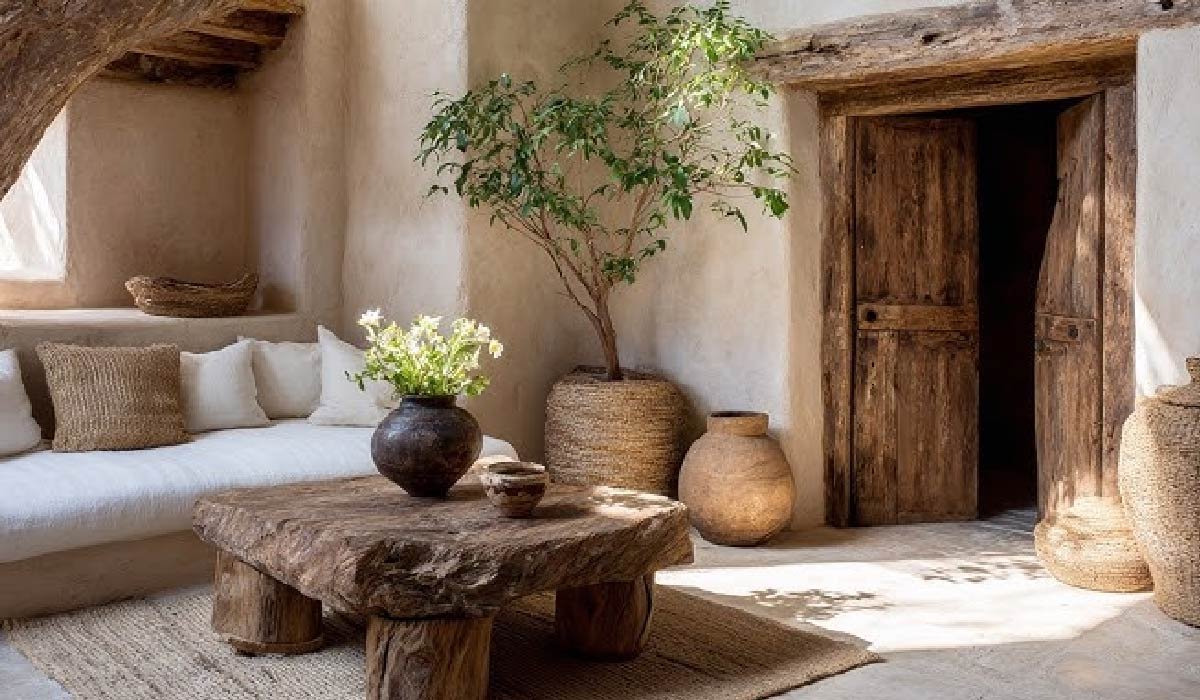
Contemporary interior design often emphasizes neutral tones, natural light, and textured finishes. Lime plaster walls, soft matte surfaces, and earthy color palettes are popular in modern homes and boutique spaces.
These elements create calm and understated elegance. The influence of Gessolini can be seen in this preference for tactile surfaces over glossy materials. Designers seek authenticity and simplicity, which aligns with the traditional plaster aesthetic. By choosing textured finishes, they connect modern living spaces to centuries-old craftsmanship.
Sculpture, Decor & Mixed Media
In sculpture and decorative art, layered plaster surfaces create expressive forms. Artists combine plaster with wood, metal, or fabric to build contrast and depth. Imperfections are sometimes left visible to emphasize authenticity. Mixed media works often rely on texture to communicate emotion. Gessolini-inspired techniques allow artists to explore surface storytelling, where the material itself becomes part of the message.
Modern Uses: Beyond Art
Fashion & Branding
In fashion, the Gessolini aesthetic may appear in structured tailoring, neutral colors, and high-quality fabrics. Designers inspired by Italian craftsmanship focus on durability and timeless elegance rather than fast trends. If used as a brand identity, Gessolini suggests sophistication and minimalism. However, as mentioned earlier, the existence of a globally recognized fashion house under this exact name is not publicly confirmed in major fashion industry records. Therefore, the term may be used creatively rather than as an established luxury label.
Digital Identity & Creative Projects
Online communities often adopt Italian-inspired names to evoke heritage and artistry. Gessolini may be used as a creative alias, art platform, or lifestyle concept. Social media posts, design blogs, and digital portfolios sometimes use the term to suggest texture, craftsmanship, and elegance. The meaning continues to grow through usage rather than formal definition.
How to Spot Authentic Gessolini
If you encounter products marketed under the name Gessolini, it is important to verify authenticity. Check for official trademarks in public databases. Look for transparent company details, including contact information and brand history. Examine product quality and material sourcing. If clear documentation is missing, the brand’s background may not be publicly known. Being careful ensures informed purchasing decisions.
Misconceptions About Gessolini
Some people believe Gessolini is only a brand, but it can also represent an artistic concept. Others think plaster-based techniques are outdated, yet they remain widely used in modern interior design. Some may consider the term irrelevant, but texture and craftsmanship continue to influence design trends. These misconceptions arise because the word does not have one fixed definition. Its evolving meaning reflects cultural and creative growth.
Gessolini and Popular Culture
Gessolini appears mainly in online design discussions, social media posts about textured interiors, and branding conversations. It is not widely documented in academic art history books, but it is visible in digital creative communities. This pattern shows how modern culture can reshape and reinterpret historical techniques through new language.
How to Incorporate Gessolini in Daily Life
You can bring Gessolini-inspired ideas into your life by choosing textured wall finishes, neutral tones, and handmade decorative pieces. In fashion, focus on simple, structured garments made from quality materials. For creative projects, experiment with plaster art or layered painting techniques. These choices reflect the core values of texture, patience, and refinement.
The Future of Gessolini
The future of Gessolini likely lies in sustainability and digital creativity. Natural materials are gaining popularity as people seek environmentally friendly design solutions. Digital artists continue to explore textured aesthetics in virtual spaces. As long as craftsmanship and heritage remain valued, the concept of Gessolini will continue evolving.
Conclusion
Gessolini is a term rooted in Italian plaster tradition and expanded through modern creative interpretation. It connects to gesso, a material used for centuries in art preparation, and has grown into a broader symbol of craftsmanship, texture, and refined design.
While not officially defined in dictionaries, it is widely used in creative discussions and branding contexts. Its meaning remains flexible and evolving. By understanding its origins, cultural significance, and modern applications, we see that Gessolini represents the beauty of layered craftsmanship and timeless simplicity.